
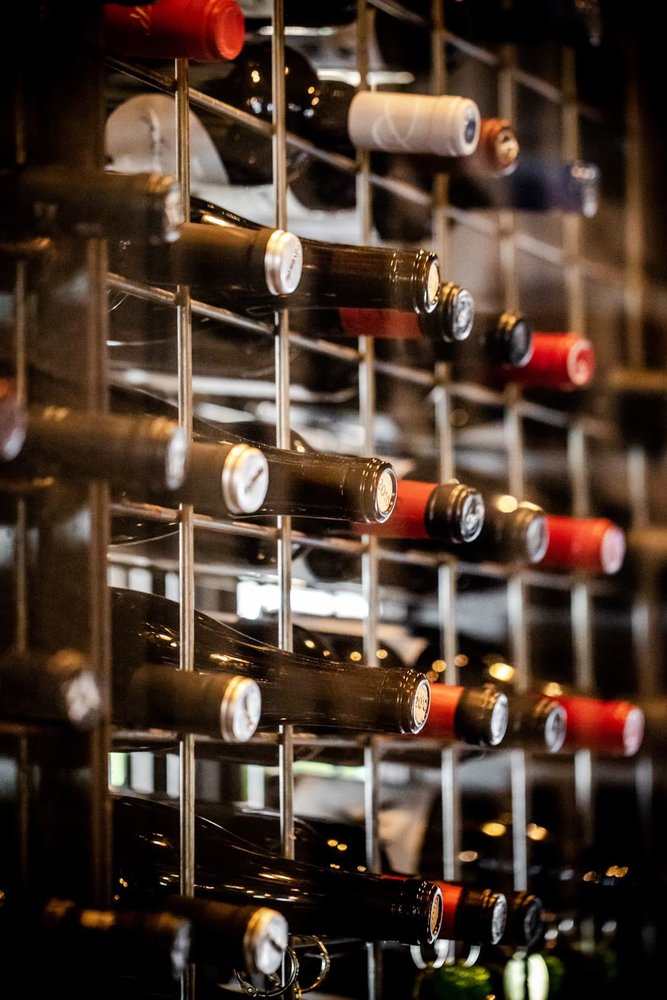
Italy produces more wine than any other country in the world — not just in volume, but in variety. Over 500 officially recognized indigenous grape varieties, 20 wine-producing regions, and a classification system that remains one of the most rigorous in the world. Understanding the basics doesn't require a sommelier's certification — but it does transform the way you drink.
First: What Do DOC, DOCG, and IGT Mean?
DOC (Denominazione di Origine Controllata) — Controlled Designation of Origin. Wines made in a defined area from specified grape varieties, following regulated methods. Italy currently has over 340 DOC designations.
DOCG (Denominazione di Origine Controllata e Garantita) — the highest tier, adding "Guaranteed" to the DOC standard. Production rules are stricter, yields are lower, and wines are taste-tested before release. Barolo, Brunello di Montalcino, and Amarone are DOCG wines.
IGT (Indicazione Geografica Tipica) — the most flexible category, equivalent to French Vin de Pays. Many of Italy's most interesting modern wines are IGT — including the famous "Super Tuscans" like Sassicaia — because their producers use non-traditional grape varieties or methods that exclude them from DOC/DOCG rules.
Toscana: The Heart of Italian Wine
If you've ever had a Chianti, a Brunello, or a Tignanello, you've tasted Toscana. This central Italian region is home to Sangiovese, Italy's most planted red grape — versatile, medium-bodied, with firm tannins and high natural acidity that make it a natural partner for tomato-based Italian cooking.
Chianti Classico DOCG is the benchmark: between Florence and Siena, Sangiovese-dominant, ranging from everyday drinking wines to serious cellar candidates. Brunello di Montalcino DOCG — made from a Sangiovese clone called Brunello — is among Italy's most age-worthy wines. Rich, tannic, and deeply complex, a good Brunello needs at least a decade to open up. Super Tuscans (Sassicaia, Ornellaia, Tignanello) broke the DOC rules by blending Cabernet Sauvignon and Merlot with Sangiovese — creating wines that rivaled Bordeaux in prestige.
Piemonte: The Nobility of the North
In the northwestern corner of Italy, Piemonte produces two of the world's most celebrated red wines: Barolo and Barbaresco, both made from Nebbiolo. Nebbiolo is demanding — high tannin, high acid, deep color — and requires years in the cellar before its reserved character opens into something extraordinary: tar, roses, dried herbs, and a finish that can last minutes.
Piemonte also gives us Barbera d'Asti (juicy, low-tannin, high-acid — a pure pleasure wine) and Moscato d'Asti (sweet, delicately sparkling, low alcohol — the perfect dessert wine).
Veneto: Sparkling and Intense, at Two Extremes
The Veneto region produces the world's most-consumed Italian wine: Prosecco DOC, the sparkling wine made from Glera grapes near Treviso and Trieste. Light, floral, slightly sweet — a reliable aperitivo wine. But the Veneto also produces Amarone della Valpolicella DOCG, one of Italy's most powerful reds. Made from partially dried grapes (appassimento), Amarone is dense, rich (often 16–17% alcohol), with dried fruit, chocolate, and tobacco notes. It is the Veneto's most serious and cellar-worthy wine.
Sicilia: The Fire of the South
Sicily was historically known as a bulk wine producer, supplying color and alcohol to thin northern wines. That reputation has been completely transformed in the last 30 years. Nero d'Avola — the island's signature red grape — produces wines of remarkable depth: dark fruit, spice, and a warmth that reflects the Sicilian sun. Etna DOC, from the slopes of Europe's most active volcano, has become one of Italy's most exciting wine zones: volcanic soils and high altitude produce wines of unusual elegance and minerality, both white (from Carricante) and red (from Nerello Mascalese).
A Quick Tour of Other Important Regions
Campania — home of Aglianico (the "Barolo of the South") and the white Greco di Tufo and Fiano di Avellino. Puglia — Primitivo di Manduria and Negroamaro, both rich and full-bodied, excellent with grilled meats. Friuli-Venezia Giulia — Italy's finest white wine region, producing Pinot Grigio, Friulano, and rare orange wines.
Italian Wines at Hitaly Garden
Our wine list draws from many of these regions — Chianti Classico, Brunello, Barolo, Amarone, Prosecco — alongside three boutique Thracian vineyards and producers showcasing Türkiye's indigenous grape varieties. Our team is happy to guide you through a pairing when you visit.